Unwanted hair is a widespread concern that affects individuals across all genders and backgrounds. For men, it often relates to grooming preferences, while women of all ages and members of the trans community may also seek solutions for excess hair. Over the course of their lives, many people have tried a variety of hair removal techniques, most of which offer only temporary results. While options such as laser hair removal can provide longer-lasting effects, they are not always fully permanent.
Book Treatment
Excessive hair growth can stem from several medical conditions, including hormonal imbalances, polycystic ovarian syndrome (PCOS), and the side effects of certain medications. The face, being the most visible part of the body, often attracts unwanted attention and scrutiny. This visibility can lead to diminished self-esteem, loss of confidence, and, all too often, embarrassment for those affected.
Electrolysis remains the only scientifically proven method for permanent hair removal. It is effective across all skin and hair types and colours, and can be used on any area of the body. However, it is most commonly performed on facial areas such as the upper lip, chin, brow, neck, and cheeks.
The technique of electrolysis dates back to 1875, when Dr. Charles Michel, an ophthalmologist, first utilised it to treat ingrown eyelashes. Since that time, electrolysis has undergone significant advancements, incorporating modern technology and refined methods to improve both its efficacy and comfort. With a history spanning over a century, it remains a widely recognised and reliable approach for achieving permanent hair removal. Notably, it is the only method approved by the FDA (USA) for permanent hair removal.
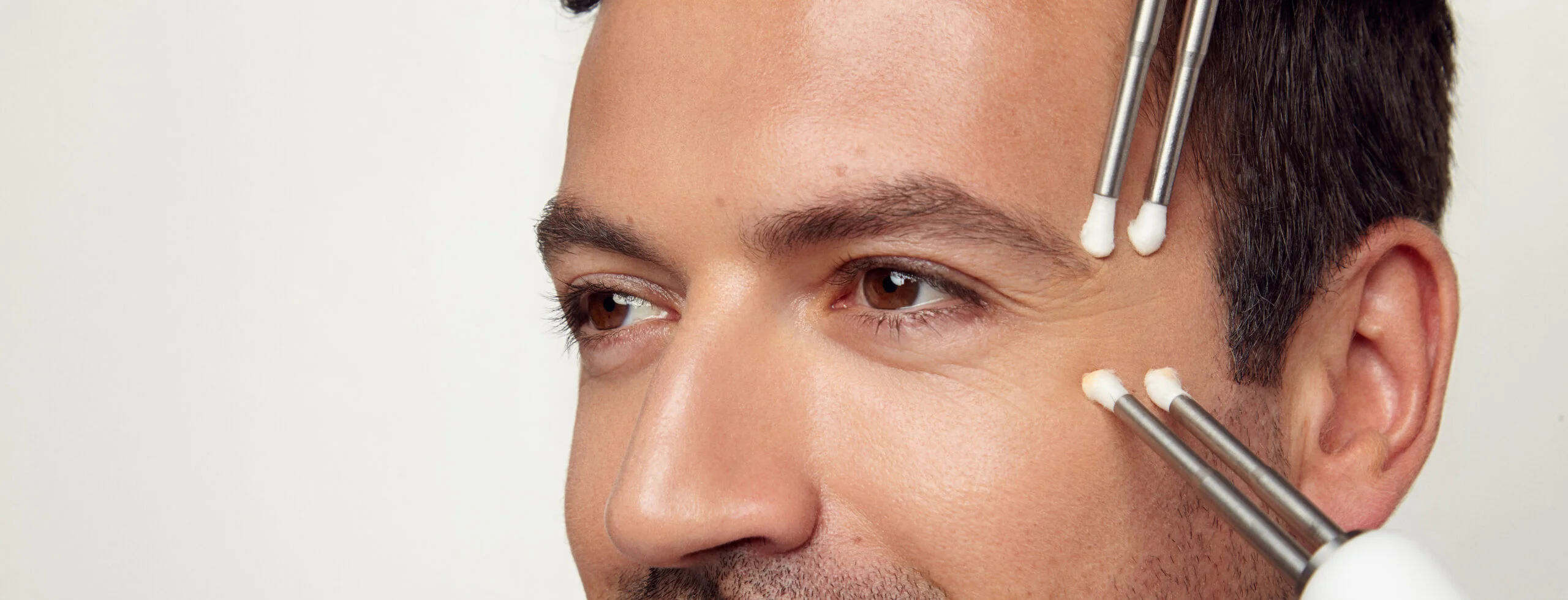
Electrolysis is a safe and effective procedure that removes unwanted hair in a progressively permanent manner. The method involves inserting a tiny probe, similar in size to an eyelash, into the hair follicle. Upon insertion, a short burst of electric current is delivered, targeting the internal structure of the follicle, the bulbous root, and the blood supply. This process prevents the follicle from receiving nutrients, thereby inhibiting future hair growth. The treated hair is then gently extracted and discarded. Because each hair follicle follows its own unique growth cycle, multiple treatments are required to ensure lasting results.
The effectiveness of electrolysis is closely linked to the natural cycle of hair growth. Every hair on the body grows independently, each following its own unique timeline. This means that not all hairs will be at the same stage of growth at any given moment.
Electrolysis delivers the best results when targeting hairs in the Anagen Phase—the period when hair is actively growing and firmly attached to the follicle. During this stage, the electric current is able to destroy the root with greater efficiency, which is why understanding the Hair Growth Cycle is so important in achieving permanent hair removal.
There are three primary types of electrolysis, each employing a distinct technique to deliver the electric current necessary for hair removal:
Electrolysis offers a variety of advantages, making it an attractive option for those seeking permanent hair removal:
Please see below.
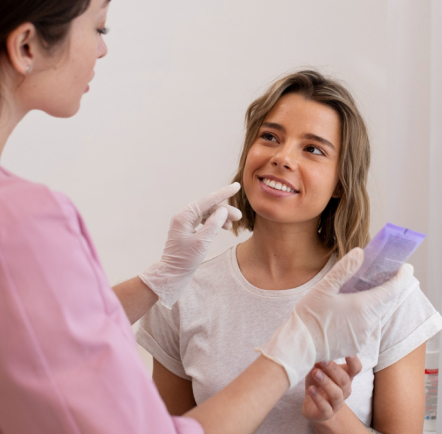
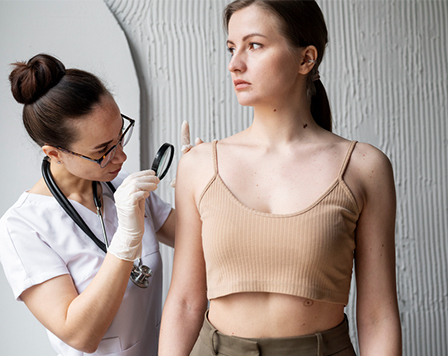
Before any electrolysis treatment can begin, every new client must attend a consultation and patch test. This initial appointment allows the practitioner to assess the client’s suitability for the treatment and determine the most appropriate method. Clients will have the opportunity to learn about the treatment process, ask questions, and discuss available options.
After the consultation, a patch test (taster session) is performed to establish the treatment settings best suited for hair removal and to observe how the client’s skin responds. These settings are recorded, and the client must wait at least 48 hours to ensure there are no adverse reactions before proceeding with the treatment. Advice will be provided regarding what to expect following the procedure.
This light lotion is made with 97% natural ingredients and features a plant complex including essential oils, Arnica, Gymnema Sylvestre, and Pelvetia extract. The blend of essential oils is specifically designed to reduce follicle activity and slow hair regrowth, as proven in laboratory tests.
This light serum with a fluid texture comprises 94% ingredients of natural origin, including plant complexes such as Gymnema Sylvestre leaf extract and an essential oil complex. Its vegan formulation is designed to reduce follicle activity and slow down regrowth, with effectiveness confirmed through laboratory testing.
This serum is formulated to address ingrown hairs, providing targeted care for areas prone to irritation and bumps following hair removal. Its light fluid texture is fragranced with grapefruit and includes pomegranate enzyme as an exfoliating agent and radiance booster. Mint leaf extract helps to reduce tingling and burning sensations in irritated skin, while nopal flower extract offers gentle exfoliation. Pelvetia extract is included to soothe reactive and sensitive skin, supporting the skin’s natural ability to exfoliate without causing damage.
Practitioners performing electrolysis, tattooing, piercings, and skin needling in England and Wales must obtain approval from their Local Council and adhere to the relevant bye-laws governing these procedures.
Rashida Thornewell and her Salon premises, Fresh & Fabulous aesthetic Beauty Salon, First Floor within Toni & Guy, 52 High Street, Maidenhead, Berkshire, SL6 1PY, are registered with the Royal Borough Of Windsor & Maidenhead.
The salon has been inspected to ensure compliance with the local byelaws, which cover staff hygiene, health and safety, as well as the cleanliness of the premises, furniture, and equipment.
A copy of the Certificate (Licence) is displayed in the salon at all times.
Electrolysis is increasingly sought after by men for effective and lasting hair removal. It offers precise results and is suitable for a variety of areas where men typically experience unwanted or excess hair growth.
Book Treatment
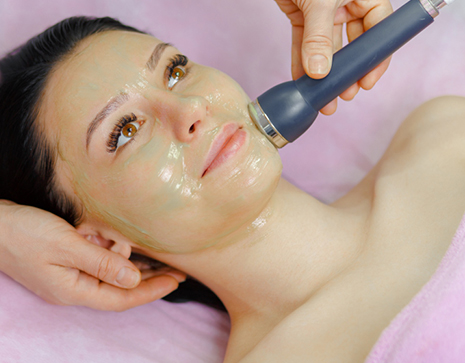
Transgender clients often encounter considerable challenges regarding hair removal, particularly when managing facial hair growth. Concealing facial hair with makeup can be especially demanding and stressful, especially for those striving to maintain a presentable appearance. This difficulty is compounded when trying to maintain a presentable appearance when out and about, at work or during social occasions, making the process both stressful and inconvenient. This ongoing effort not only increases daily pressure but can also be inconvenient and impact confidence.
Electrolysis, although time consuming, it provides a long-term solution for permanent hair removal. While alternative methods may offer temporary results, they often come with limitations. Electrolysis stands out as the only hair removal treatment suitable for all hair colours and skin types. The overall duration of the process depends on the amount of hair to be removed and the frequency of treatment sessions. In many cases, achieving desired results may take several years, emphasising the importance of starting treatment as early as possible.
Book Treatment
Waxing is a suitable option for those seeking effective hair removal. While it does not achieve permanent results, regular waxing sessions can gradually weaken hair growth over time. To maintain the condition of the waxed area between appointments, it is advisable to use recommended home care products (see under ‘About Waxing’). These products assist in keeping the skin smooth and comfortable, while also prolonging the benefits of waxing.
Electrolysis provides a long-term and permanent hair removal solution, although it can be time consuming. Unlike other methods that may only deliver temporary results or have certain limitations, electrolysis is the only treatment suitable for all hair colours and skin types. The length of the process depends on the amount of hair and the frequency of sessions, with many clients finding that achieving their desired results may take at least a couple of years, sometimes longer. Therefore, beginning treatment early is important.
As a business, we make every effort to stay informed and to consider how policies might impact trans and non-binary clients. Trans and non-binary clients may have specific beauty or wellness needs related to their gender identity. Whenever possible, we strive to adjust our services to help clients feel respected, comfortable, clear about their options, and confident in the care they receive.
Clients are encouraged to make an appointment to discuss their treatment area. There is no need to feel embarrassed, as the consultation will be conducted in a comfortable, confidential, discreet, and professional manner.
At our beauty salon and clinic, we are committed to fostering an inclusive and supportive environment where all clients, regardless of gender identity, feel respected and cared for. Our goal is to ensure that you feel welcome and at ease for every visit, whatever your reason for seeking our services. We acknowledge that unintentional mistakes may happen, such as using the wrong language, pronouns or misunderstanding your concerns.
If we do make an error, please let us know so that we can improve our approach and incorporate your feedback into our staff training.
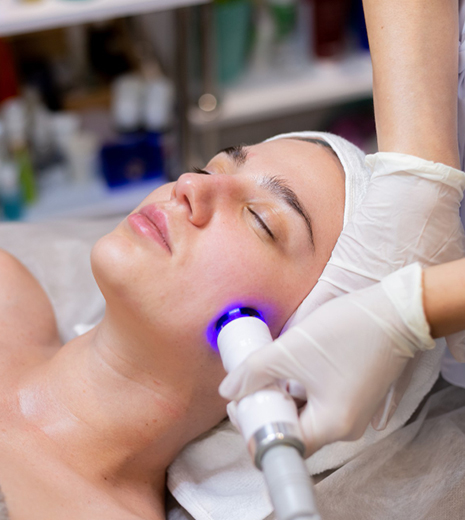
Before you prepare for your first or one of many waxing sessions, it is fascinating to explore the origins of waxing. Hair removal has long been a tradition, stretching from the practices of ancient Egyptians right through to the modern techniques used today. In numerous cultures, men have removed hair not only for hygiene, but also as a means of preventing lice and other unwelcome pests. In ancient civilisations, where running water was not readily available, alternative methods were sought to maintain cleanliness. Particularly in cultures shaped by the climate of the present-day Middle East, where heat brings its own challenges, hair removal became an essential aspect of daily life.
Book Treatment
Iconic images of Pharaohs with elaborate headwear and their shaved priests illustrate this history well—the headwear served to conceal their smooth scalps and offered protection from lice and other infestations. Notably, Cleopatra herself introduced Gaius Julius Caesar to hair removal after he contracted lice during his military campaigns. The story of hair removal is rich and intriguing, and it is amusing to imagine how the ancients might react to the fact that these practices continue in the present day.
The 20th century marked a significant transformation in waxing, influenced by shifts in fashion, media, and the beauty industry. As Hollywood gained prominence, the appearance of movie stars set new beauty standards, with hairless skin becoming increasingly desirable. This trend was particularly notable during the 1920s and 1930s, as beach holidays, shorter skirts and sleeveless dresses became popular, prompting a rise in waxing practices. In response, manufacturers developed new products to satisfy the growing demand for smooth skin.
The 1940s introduced nylon stockings, which further heightened the emphasis on smooth legs. Waxing evolved into a routine for many women, and the era saw the creation of more sophisticated waxing products. Among these innovations were the first commercially available cold wax strips—pre-coated strips that simplified the waxing process and made it more accessible to a broader audience.
Advancements continued through the 1960s and 1970s, with the development of hot waxes designed to be melted and applied directly to the skin. These waxes were then removed using cloth strips, offering greater effectiveness for thicker hair. This technique became the standard for professional waxing treatments, shaping the modern approach to hair removal.
Waxing is a viable option for clients seeking hair removal. Although it does not offer a permanent solution, routine waxing sessions can gradually weaken hair growth over time. To keep the waxed area in optimal condition between appointments, it is advisable to use recommended home care products. These products help maintain the skin and prolong the effects of waxing, ensuring continued smoothness and comfort.
Clients are encouraged to make an appointment to discuss their treatment area. There is no need to feel embarrassed, as the consultation will be conducted in a comfortable, confidential, discreet, and professional manner.
Today, a variety of hair removal techniques are available, each with its own merits: Waxing, Sugaring, Threading, Laser, Intense Pulsed Light (IPL) and Electrolysis. Waxing represents the most ancient method, while sugaring is also traditional, and laser hair removal is the most recent innovation.
Every technique comes with its own advantages and disadvantages. The choice of hair removal method is deeply personal, influenced by factors such as time, cost, product effectiveness, hair growth patterns, skin reaction, skin type, method of removal, expected results, and the expertise of the salon practitioner.
We use Perron Rigot Wax, combining both Peelable Wax (also referred to as Hot Wax) and Strip Wax (known as Warm Wax) to deliver optimal results for every client. This dual approach ensures that we can tailor our waxing treatments to suit individual needs, providing both comfort and effectiveness.
Peelable Wax , also known as Hot Wax, is specifically used for sensitive areas such as Brazilian, Hollywood, Bikini, Face (including all areas), Nose, and Ears. This wax is applied in a thick layer, allowed to cool and set, and then gently removed by peeling it off. It is particularly well suited to intimate zones, the face, and clients with sensitive skin. The wax adheres to the hair rather than the skin, resulting in reduced discomfort and pain. It is less likely to cause irritation, making it ideal for those prone to redness.
Strip Wax , or Warm Wax, is applied in a thin layer using either a spatula or a roller. The wax is then removed with specially formulated paper strips or cotton strips. This method is efficient and relatively painless, making it suitable for removing both very strong, thick hair and very fine hair. After treatment, there is no residue left on the skin. Some redness may occur post-waxing but typically subsides within 24 hours.
Establishing a regular pre- and post-wax care routine provides considerable benefits for the health and appearance of your skin.
To achieve the best results from your waxing treatment, it is important to follow these pre-waxing steps:
Following your waxing treatment, adhere to these guidelines to promote healing and maintain smooth skin:
Proper preparation ahead of your waxing appointment is key to achieving the best results and ensuring your skin remains healthy and comfortable. The following steps will help you get the most from your treatment:
Good aftercare following your waxing appointment is essential for healing and maintaining smooth, healthy skin. Please follow these guidelines to support your skin’s recovery:
A patch test is only required under specific circumstances:
It is recommended to book a Patch Test at least 24 or 48 hours before your waxing appointment.
PLEASE NOTE: If you are applying a steroid cream to the area you would like to be being waxed we will NOT carry out a Patch Test or waxing treatment on the affected area.
The Consultation will help identify any conditions that are contra-indicated prior to the Patch Test. When the Patch Test is carried out, it will help us monitor for signs of irritation such as redness and its duration, itching, allergic reactions, or sensitivity to our wax.
Where you have received a waxing treatment in the past and did not experience any adverse reactions, such as irritation or sensitivity, it is not necessary to book a patch test.
We use vegan, hypoallergenic wax for both Hot and Strip Wax treatments.
This light lotion is made with 97% natural ingredients and features a plant complex including essential oils, Arnica, Gymnema Sylvestre, and Pelvetia extract. The blend of essential oils is specifically designed to reduce follicle activity and slow hair regrowth, as proven in laboratory tests.
This light serum with a fluid texture comprises 94% ingredients of natural origin, including plant complexes such as Gymnema Sylvestre leaf extract and an essential oil complex. Its vegan formulation is designed to reduce follicle activity and slow down regrowth, with effectiveness confirmed through laboratory testing.
This serum is formulated to address ingrown hairs, providing targeted care for areas prone to irritation and bumps following hair removal. Its light fluid texture is fragranced with grapefruit and includes pomegranate enzyme as an exfoliating agent and radiance booster. Mint leaf extract helps to reduce tingling and burning sensations in irritated skin, while nopal flower extract offers gentle exfoliation. Pelvetia extract is included to soothe reactive and sensitive skin, supporting the skin’s natural ability to exfoliate without causing damage.
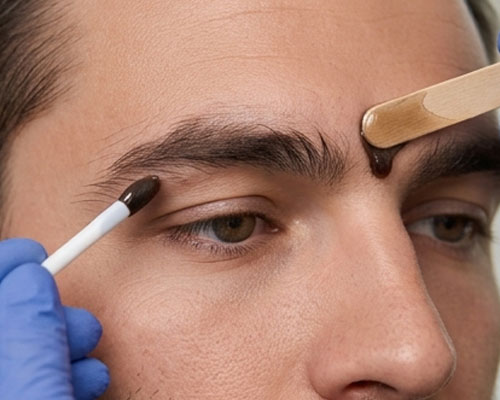
Top of Shoulders
Book Treatment
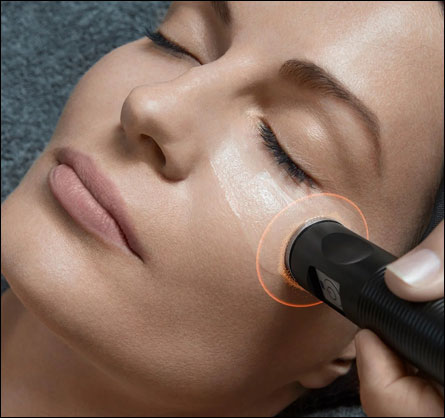
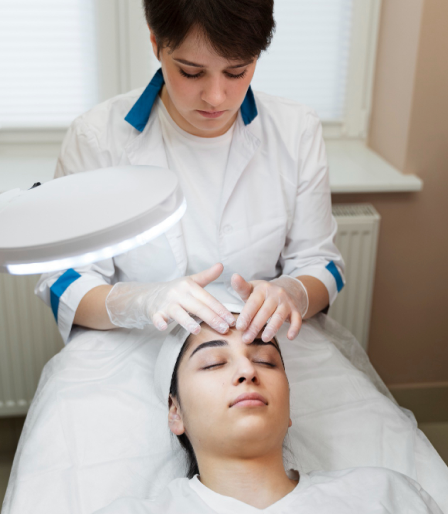
It is a strict requirement that a full consultation and Patch Test must be completed prior to undergoing any Electrolysis treatment. The Consultation is a comprehensive process where the practitioner will provide a detailed explanation of the Electrolysis procedure, covering all aspects associated with the treatment. This session also offers you the chance to discuss the specific areas you would like treated and to raise any questions or concerns you may have.
Once the consultation is complete and your suitability for the treatment has been confirmed, a patch test (taster session) is performed to establish the treatment settings best suited for hair removal and to observe how your skin responds. These settings are recorded. You must wait at least 48 hours to ensure there are no adverse reactions before proceeding with the treatment. Advice will be provided regarding what to expect following the procedure
Book Treatment
The outcomes of the patch test will inform the creation of a tailored treatment plan, and appointments will be arranged in accordance with this plan.
Please be aware that the fee for the patch test is non-redeemable and non-refundable once the Patch Test has been conducted.
For a comprehensive understanding of the process and benefits of electrolysis hair removal, we recommend reading our detailed guide entitled ‘About Electrolysis’. This guide provides valuable information to help you make informed decisions about Electrolysis.
New clients must undergo a Patch Test at our clinic before treatment can commence. Patch Tests carried out at other salons or clinics will not be accepted.
Each appointment is divided into two stages. The first 10 minutes are allocated to preparation, which includes discussing any areas previously treated (if relevant), addressing any client concerns, and evaluating the progress of the treatment. The remaining 10 minutes focus on the actual electrolysis treatment process.
Book Treatment
Electrolysis works by targeting individual hair follicles and relies on hair growth cycles for effectiveness. As such, achieving the desired results requires multiple sessions. Regular weekly sessions are strongly recommended, and there is a Course of 10 Treatment Package available to support your treatment plan.
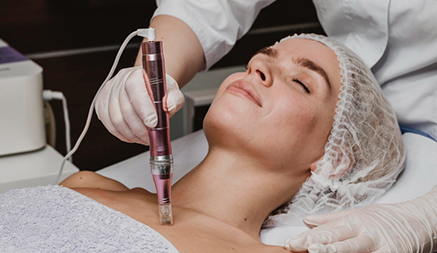
New clients must undergo a Patch Test at our clinic before treatment can commence. Patch Tests carried out at other salons or clinics will not be accepted.
Each appointment is divided into two stages. The first 10 minutes are allocated to preparation, which includes discussing any areas previously treated (if relevant), addressing any client concerns, and evaluating the progress of the treatment. The remaining 15 minutes focus on the actual electrolysis treatment process.
Book Treatment
Waxing is a suitable option for those seeking effective hair removal. While it does not achieve permanent results, regular waxing sessions can gradually weaken hair growth over time. To maintain the condition of the waxed area between appointments, it is advisable to use recommended home care products (see under ‘About Waxing’). These products assist in keeping the skin smooth and comfortable, while also prolonging the benefits of waxing.
Electrolysis provides a long-term and permanent hair removal solution, although it can be time consuming. Unlike other methods that may only deliver temporary results or have certain limitations, electrolysis is the only treatment suitable for all hair colours and skin types. The length of the process depends on the amount of hair and the frequency of sessions, with many clients finding that achieving their desired results may take at least a couple of years, sometimes longer. Therefore, beginning treatment early is important.
As a business, we make every effort to stay informed and to consider how policies might impact trans and non-binary clients. Trans and non-binary clients may have specific beauty or wellness needs related to their gender identity. Whenever possible, we strive to adjust our services to help clients feel respected, comfortable, clear about their options, and confident in the care they receive.
Clients are encouraged to make an appointment to discuss their treatment area. There is no need to feel embarrassed, as the consultation will be conducted in a comfortable, confidential, discreet, and professional manner.
At our beauty salon and clinic, we are committed to fostering an inclusive and supportive environment where all clients, regardless of gender identity, feel respected and cared for. Our goal is to ensure that you feel welcome and at ease for every visit, whatever your reason for seeking our services. We acknowledge that unintentional mistakes may happen, such as using the wrong language, pronouns or misunderstanding your concerns.
If we do make an error, please let us know so that we can improve our approach and incorporate your feedback into our staff training.
New clients must undergo a Patch Test at our clinic before treatment can commence. Patch Tests carried out at other salons or clinics will not be accepted.
Each appointment is divided into two stages. The first 10 minutes are allocated to preparation, which includes discussing any areas previously treated (if relevant), addressing any client concerns, and evaluating the progress of the treatment. The remaining 20 minutes focus on the actual electrolysis treatment process.
Book Treatment
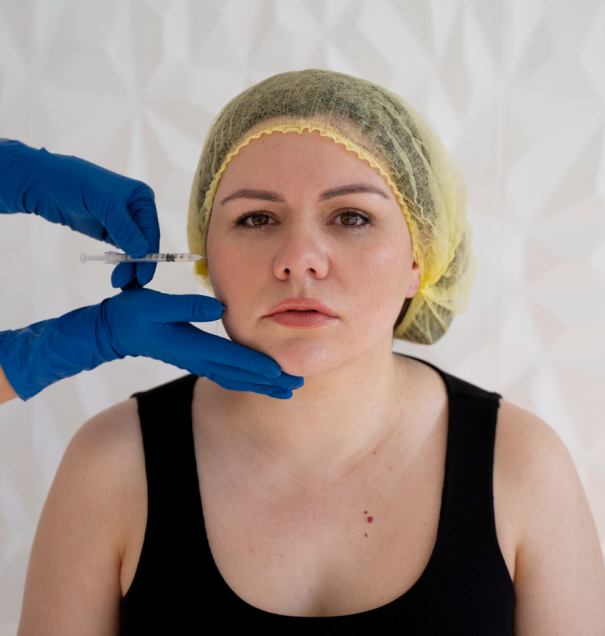
Electrolysis works by targeting individual hair follicles and relies on hair growth cycles for effectiveness. As such, achieving the desired results requires multiple sessions. Regular weekly sessions are strongly recommended, and there is a Course of 10 Treatment Package available to support your treatment plan.
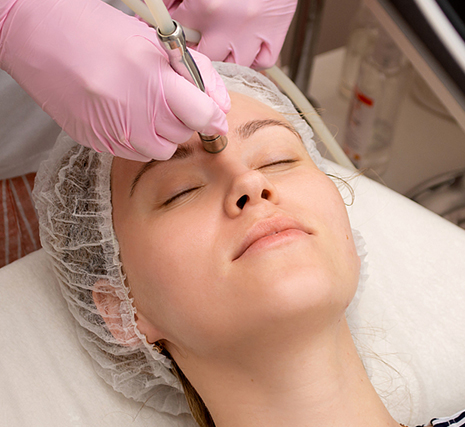
New clients must undergo a Patch Test at our clinic before treatment can commence. Patch Tests carried out at other salons or clinics will not be accepted.
Each appointment is divided into two stages. The first 10 minutes are allocated to preparation, which includes discussing any areas previously treated (if relevant), addressing any client concerns, and evaluating the progress of the treatment. The remaining 30 minutes focus on the actual electrolysis treatment process.
Book Treatment
Electrolysis works by targeting individual hair follicles and relies on hair growth cycles for effectiveness. As such, achieving the desired results requires multiple sessions. Regular weekly sessions are strongly recommended, and there is a Course of 10 Treatment Package available to support your treatment plan.
New clients must undergo a Patch Test at our clinic before treatment can commence. Patch Tests carried out at other salons or clinics will not be accepted.
Each appointment is divided into two stages. The first 10 minutes are allocated to preparation, which includes discussing any areas previously treated (if relevant), addressing any client concerns, and evaluating the progress of the treatment. The remaining 40 minutes focus on the actual electrolysis treatment process.
Book Treatment
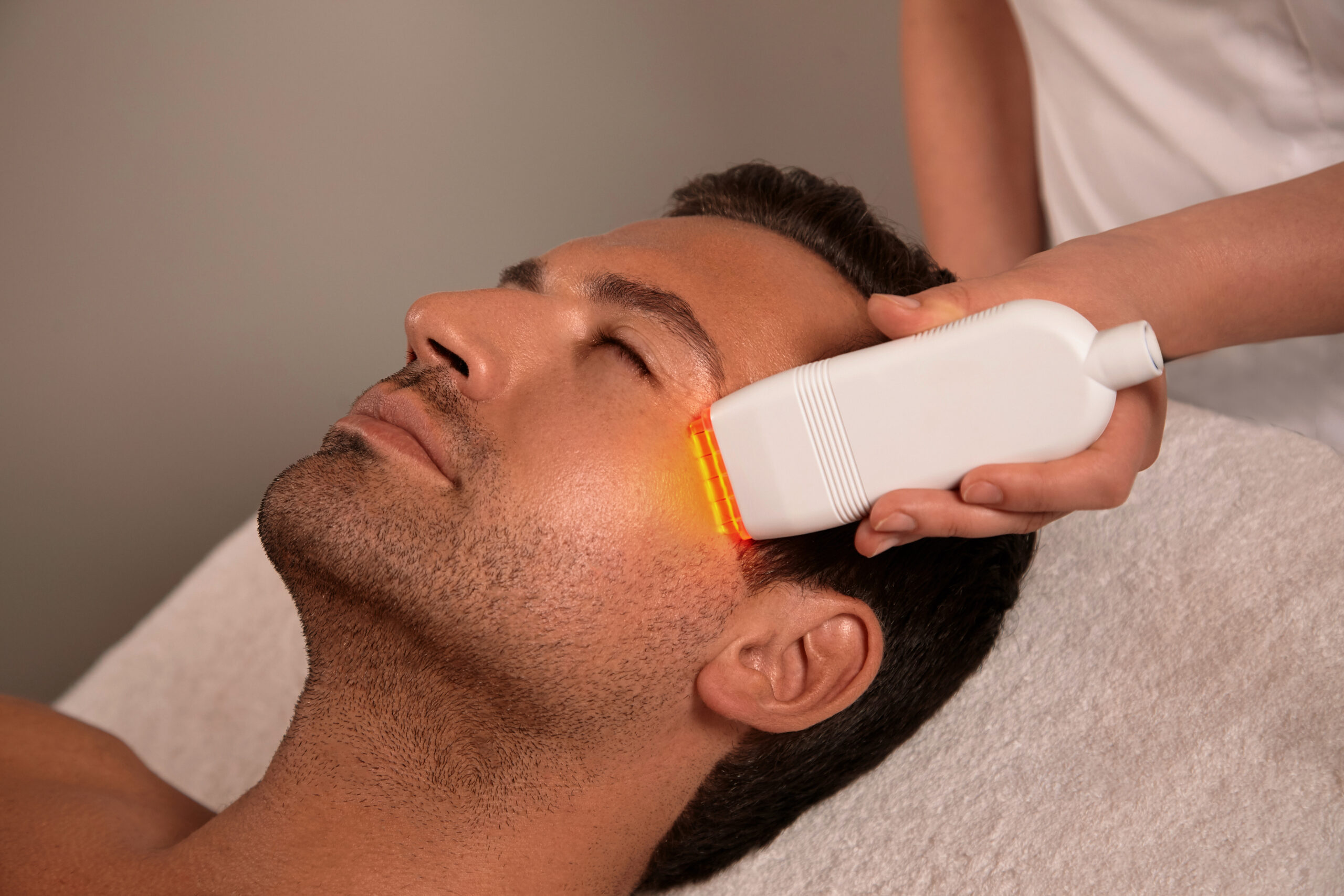
Electrolysis works by targeting individual hair follicles and relies on hair growth cycles for effectiveness. As such, achieving the desired results requires multiple sessions. Regular weekly sessions are strongly recommended, and there is a Course of 10 Treatment Package available to support your treatment plan.
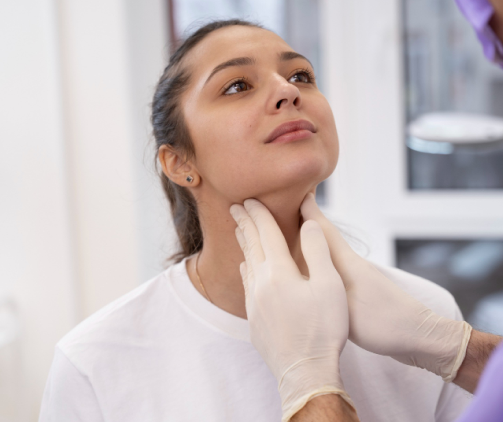
New clients must undergo a Patch Test at our clinic before treatment can commence. Patch Tests carried out at other salons or clinics will not be accepted.
Each appointment is divided into two stages. The first 10 minutes are allocated to preparation, which includes discussing any areas previously treated (if relevant), addressing any client concerns, and evaluating the progress of the treatment. The remaining 50 minutes focus on the actual electrolysis treatment process.
Book Treatment
Electrolysis works by targeting individual hair follicles and relies on hair growth cycles for effectiveness. As such, achieving the desired results requires multiple sessions. Regular weekly sessions are strongly recommended, and there is a Course of 10 Treatment Package available to support your treatment plan.
New clients must undergo a Patch Test at our clinic before treatment can commence. Patch Tests carried out at other salons or clinics will not be accepted.
Each appointment is divided into two stages. The first 10 minutes are allocated to preparation, which includes discussing any areas previously treated (if relevant), addressing any client concerns, and evaluating the progress of the treatment. The remaining 60 minutes focus on the actual electrolysis treatment process.
Book Treatment
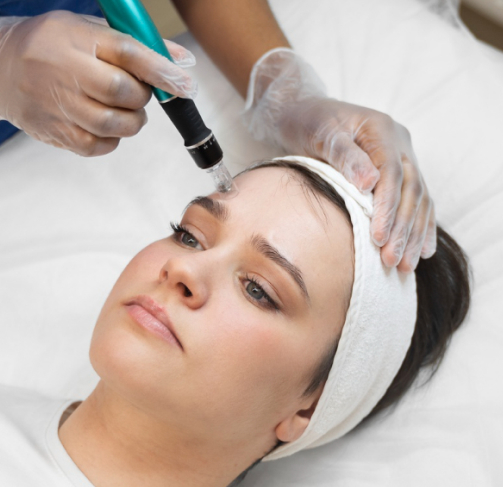
Electrolysis works by targeting individual hair follicles and relies on hair growth cycles for effectiveness. As such, achieving the desired results requires multiple sessions. Regular weekly sessions are strongly recommended, and there is a Course of 10 Treatment Package available to support your treatment plan.
Nose: the visible nasal hair immediately inside the edge of the nose.
Ears: The visible hair on the Lobe, Helix Trail, Auricular Tubercle, Superior Helix and side of the face by the Tragus.
Book Treatment
Additional waxing services encompass any requests that do not fall within the description of the treatment you have originally booked, or is not part of any treatment currently available on the Ladies Waxing Menu such as:
Book Treatment
These extras are provided as an enhancement to your waxing experience, ensuring any specific needs outside of standard treatments can be accommodated where possible. These treatment requests may impact our availability and will only be provided at our discretion as we have to ensure that the timing of such treatments does not interfere with or delay the appointments of subsequent clients.
The fee for such additional services will be determined by the therapist at their discretion, unless a price has been previously specified. This allows for flexibility in addressing unique requirements on the day of your appointment.
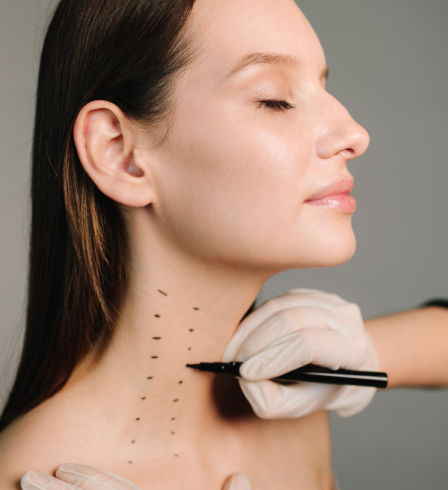
A patch test is only required under specific circumstances:
It is recommended to book a Patch Test at least 24 or 48 hours before your waxing appointment.
PLEASE NOTE: If you are applying a steroid cream to the area you would like to be being waxed we will NOT carry out a Patch Test or waxing treatment on the affected area.
The Consultation will help identify any conditions that are contra-indicated prior to the Patch Test. When the Patch Test is carried out, it will help us monitor for signs of irritation such as redness and its duration, itching, allergic reactions, or sensitivity to our wax.
Where you have received a waxing treatment in the past and did not experience any adverse reactions, such as irritation or sensitivity, it is not necessary to book a patch test.
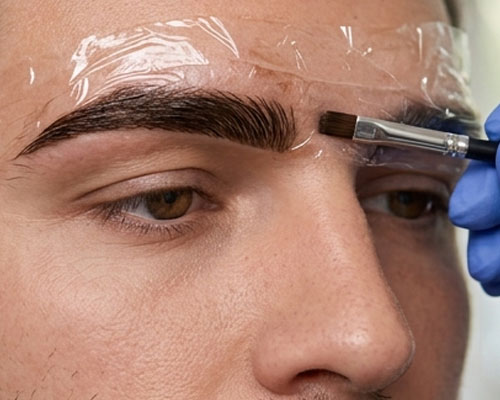
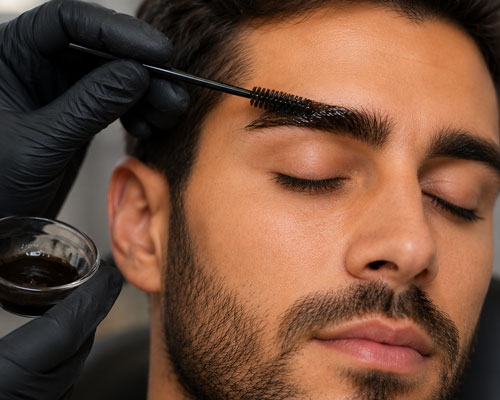
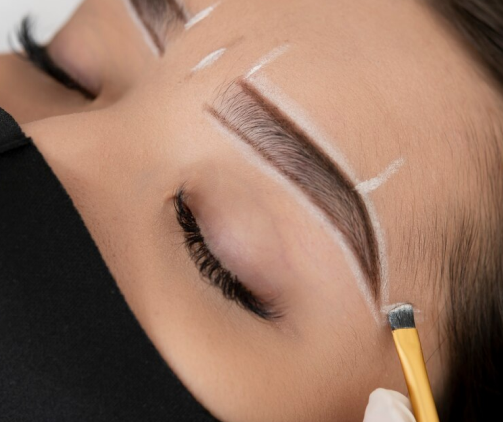
Each client is provided with a bespoke brow treatment, as there is no universal approach to brow shaping. During your appointment, we will have a thorough discussion regarding your preferred brow shape and outline the steps involved in the procedure prior to commencing. This ensures you are comfortable and fully informed throughout the process. Your brows will be expertly shaped to complement your individual face shape, resulting in a look that is tailored specifically to you.
Book Treatment
For full description see ‘About Hair Removal’.
Book Treatment
For full description see ‘About Hair Removal’.
Book Treatment
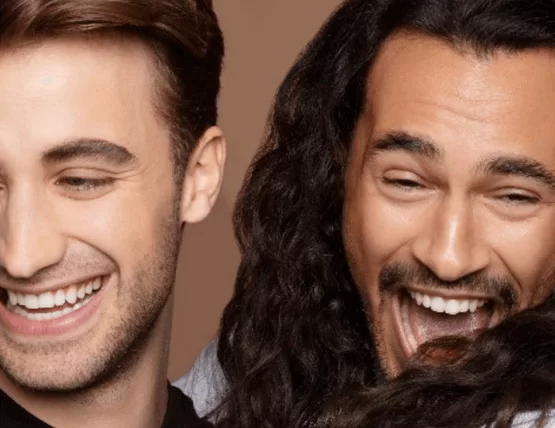
Nose: the visible nasal hair immediately inside the edge of the nose.
Ears: The visible hair on the Lobe, Helix Trail, Auricular Tubercle, Superior Helix and side of the face by the Tragus.
Book Treatment
A patch test is only required under specific circumstances
It is recommended to book a Patch Test at least 24 or 48 hours before your waxing appointment.
PLEASE NOTE: If you are applying a steroid cream to the area you would like to be being waxed we will NOT carry out a Patch Test or waxing treatment on the affected area.
The Consultation will help identify any conditions that are contra-indicated prior to the Patch Test. When the Patch Test is carried out, it will help us monitor for signs of irritation such as redness and its duration, itching, allergic reactions, or sensitivity to our wax.
Where you have received a waxing treatment in the past and did not experience any adverse reactions, such as irritation or sensitivity, it is not necessary to book a patch test.